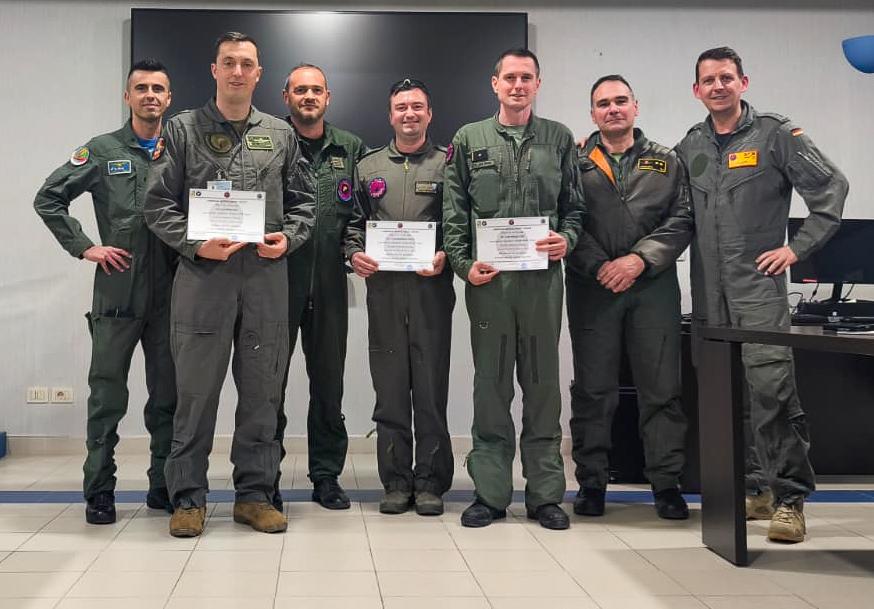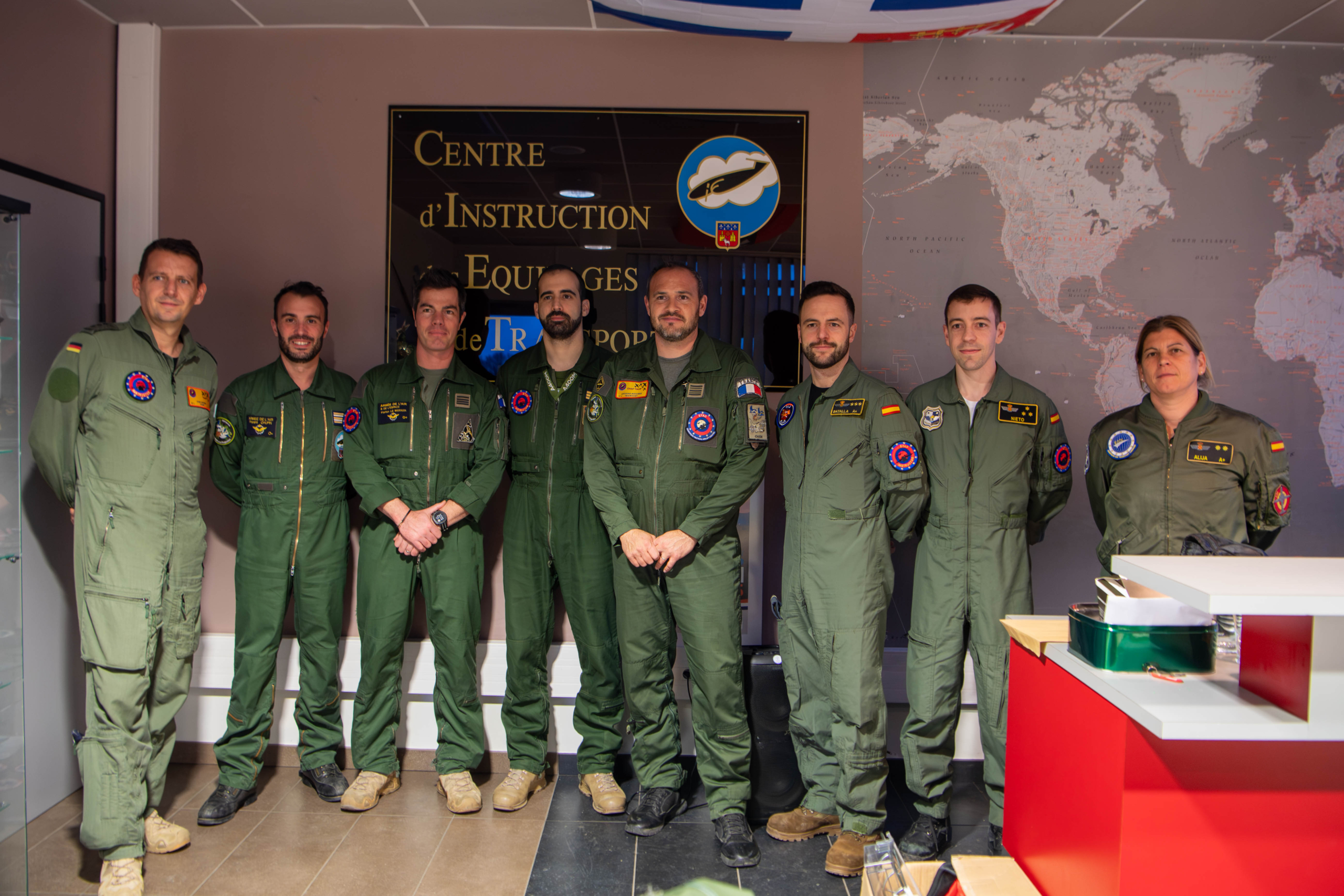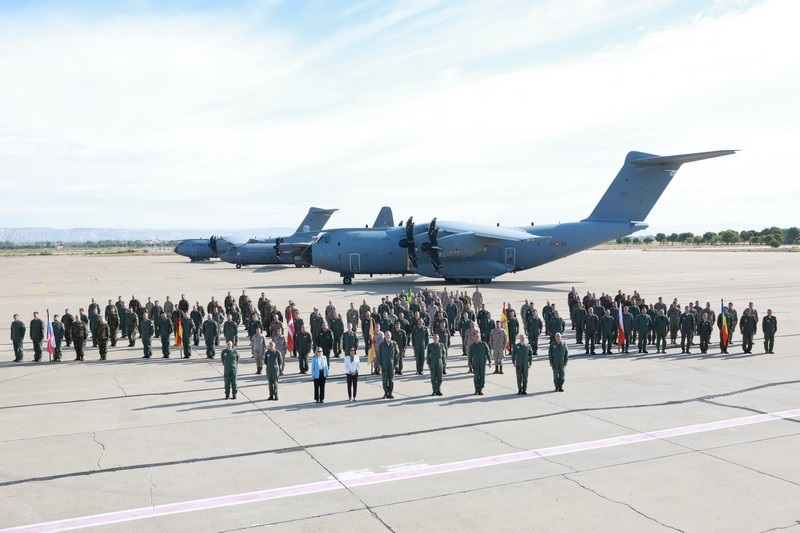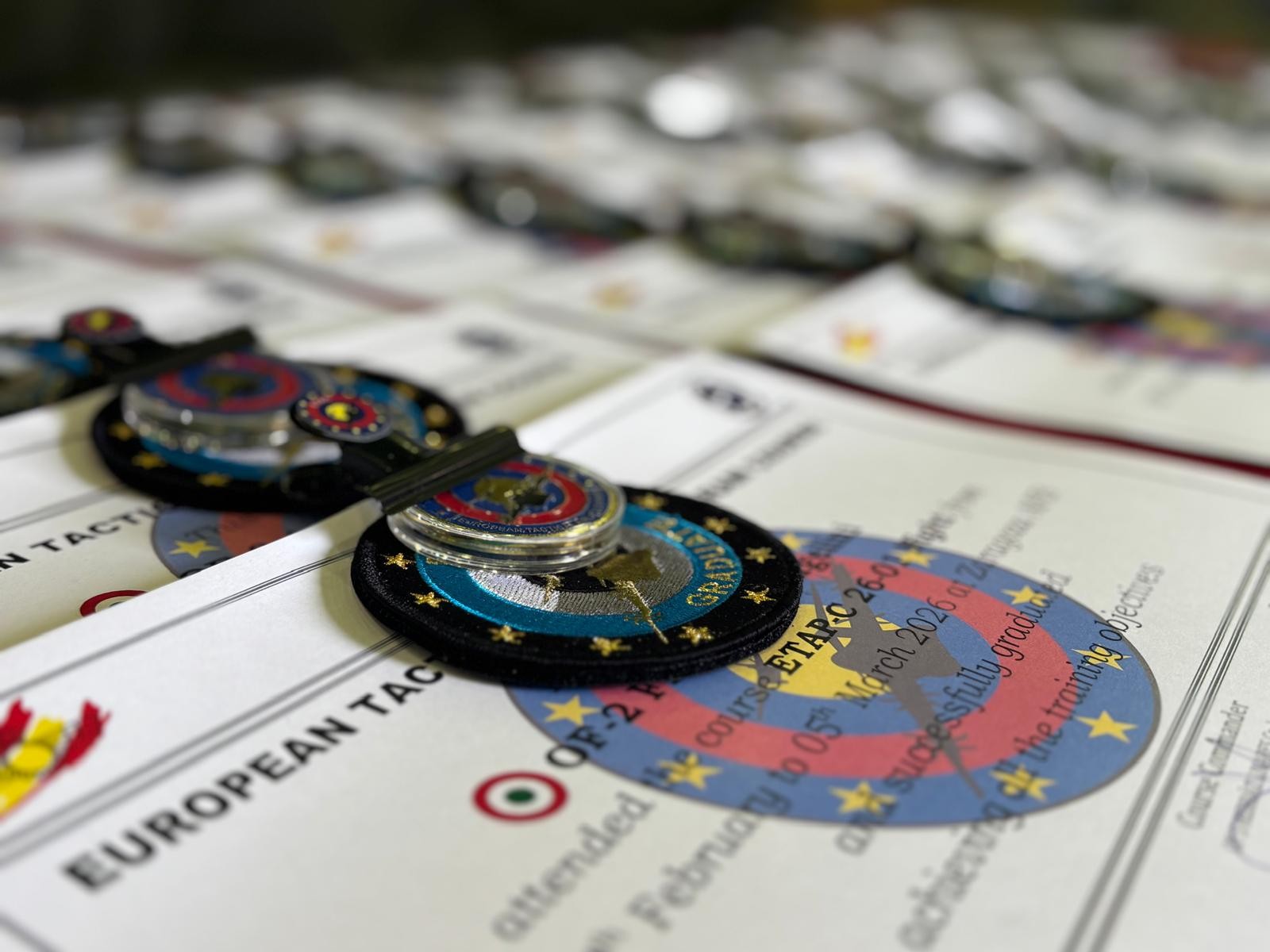
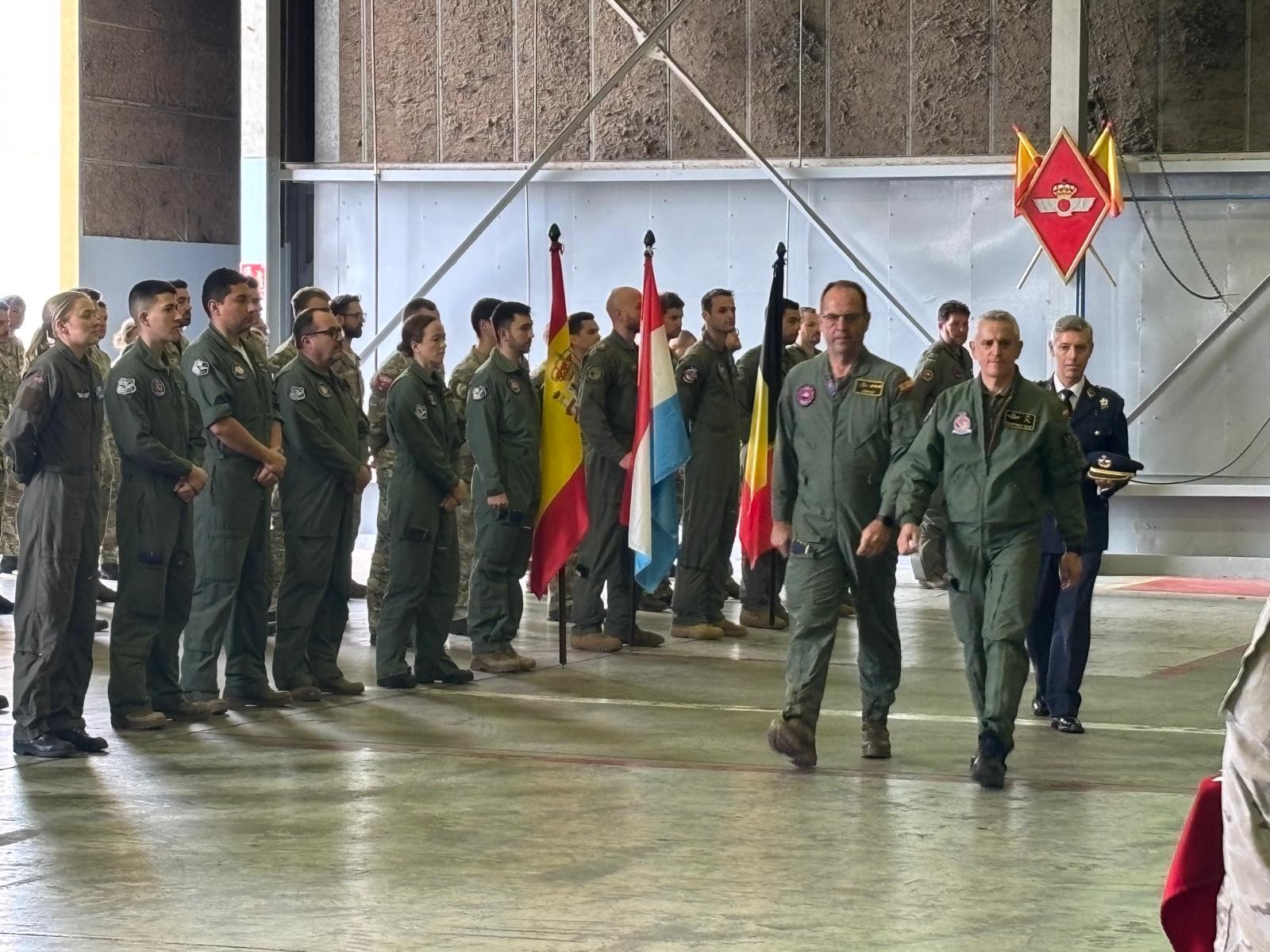
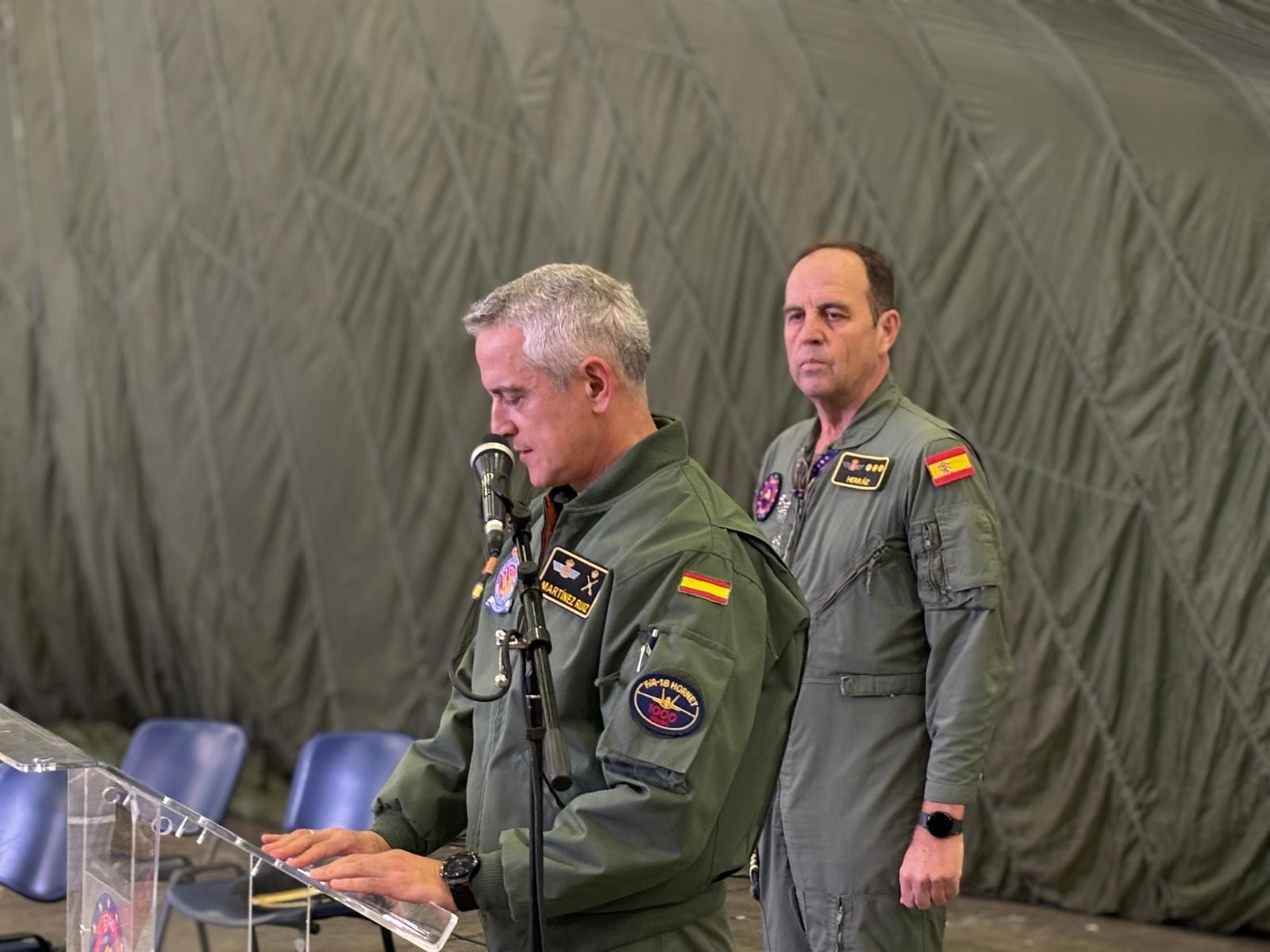
March 5, 2026. After intense activity at the Zaragoza Air Base, the ETAP-C 26-1 course has come to an end with a graduation ceremony for crews from Germany, Belgium, Spain, France, Italy, Luxembourg, and Norway. As ETAP-C Graduates, they will all join a multinational community of highly specialized professionals, prepared to face the challenges of the international context and joint defense.
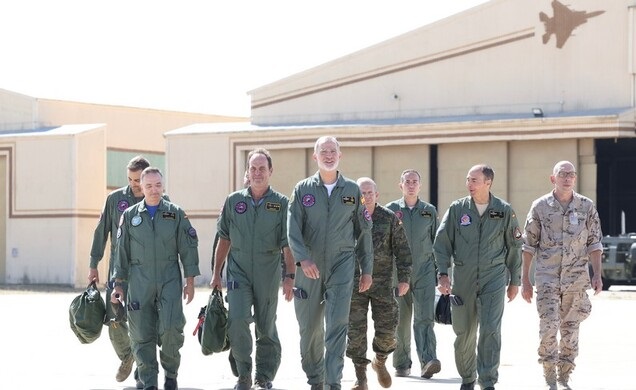
The ceremony was presided over by the Commander of Zaragoza Air Base, General Luis Alberto Martinez Ruiz, together with the ETAC Commander, Colonel Carlos E. Herráiz Linares.
During the course, which ran from February 23 to March 5, and in line with the high demands of the program and the solid prior training of the crews, the complexity of the planning and execution of the missions increased progressively.
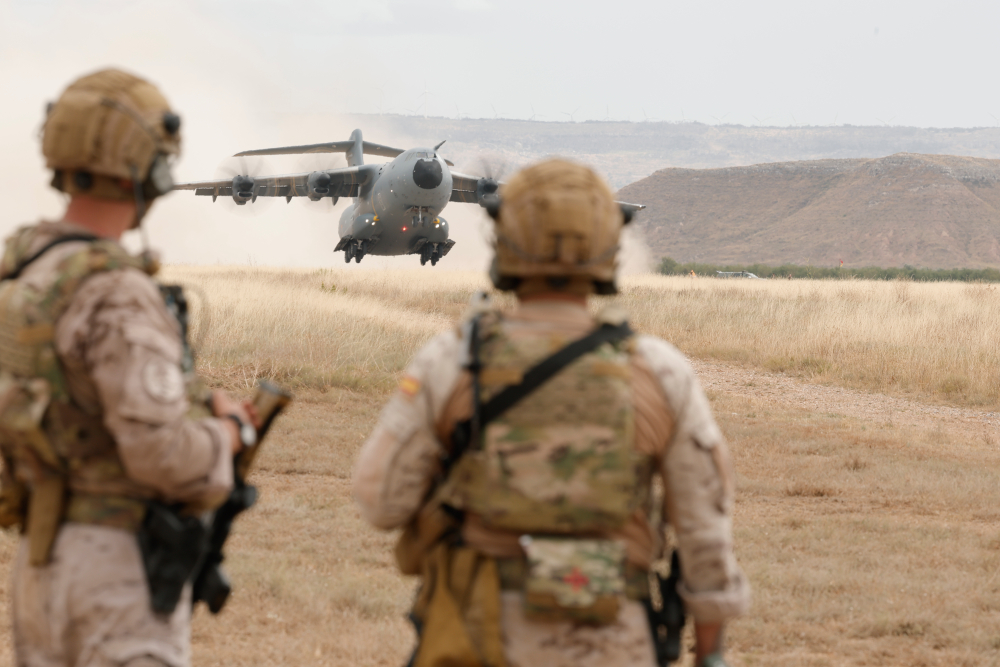
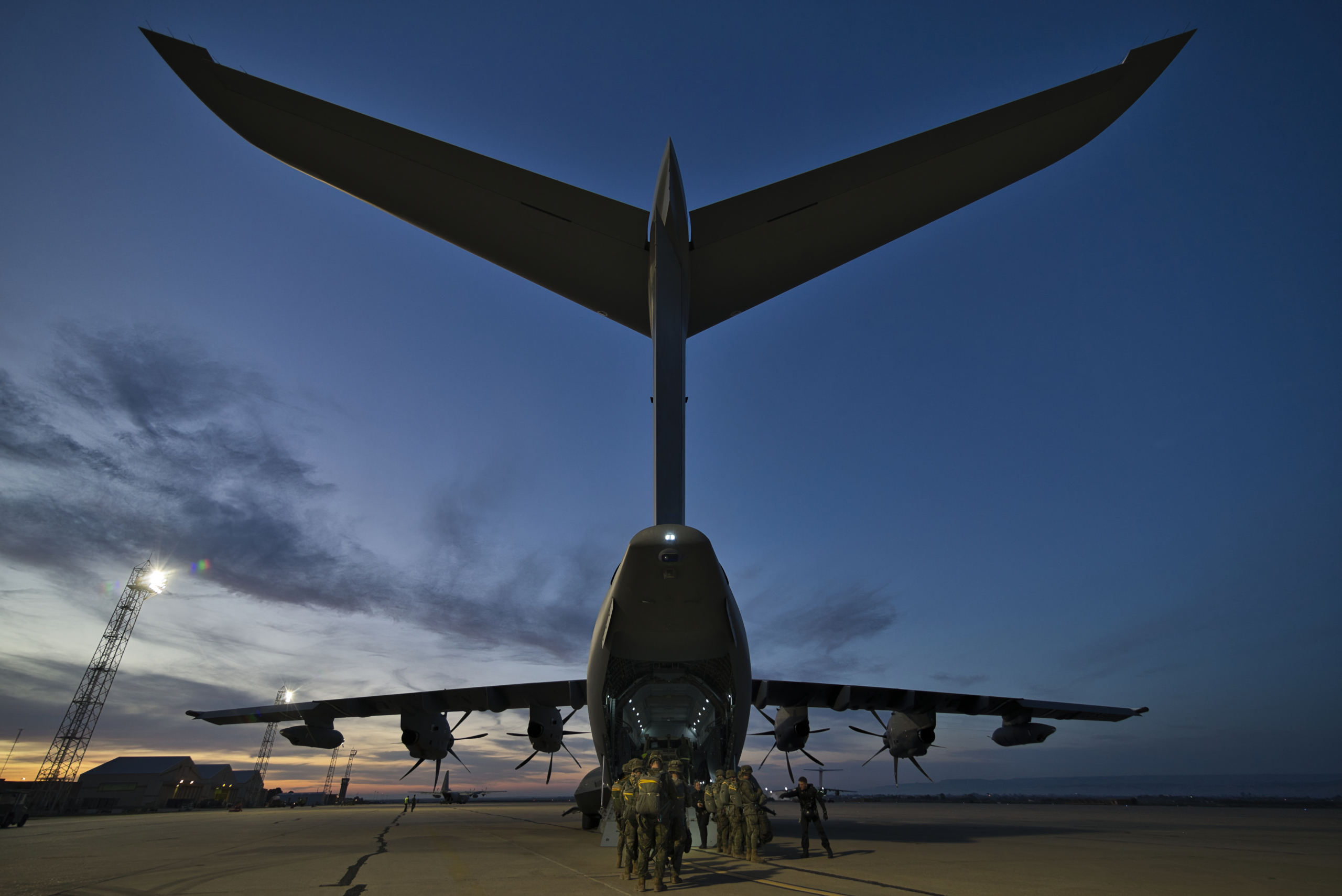
In this context, the participating aircraft, four A400Ms and two C-130Js, consolidated the standardized tactics, techniques, and procedures that form the basis of interoperability among the member countries of the European Tactical Air Transport Program (ETAP).
This initial edition of 2026 also saw some notable developments.
For the first time, as a follow-up to the close collaboration between ETAC and the European Transport Command (EATC), the head of the EATC Intelligence Cell has conducted the basic course focused on military air transport, called the Air Mobility Intel Introduction Course (AMIIC). The course is designed to promote the creation of a multinational pool of experts with a comprehensive understanding of intelligence processes specialising in tactical air mobility operations.
These personnel will be progressively trained in the interpretation, integration, and exploitation of up-to-date information on current operational environments and new threats, in order to guide transport crews in identifying the strengths and weaknesses of systems, and ultimately in opportunities for the survival of friendly aircraft in operations under threat (SWOT matrix).
This consolidates the first initiative addressing the need to promote intelligence dedicated to air mobility, which will allow ETAC signatory nations to have a better scenario and analysis of it in their projects.
This AMIIC initiative will be developed again in the following ETAP-C projects throughout 2026, to contribute to the creation of a specialized multinational intelligence community.
Alongside this initiative, another improvement introduced in this edition has been the implementation of the Mission Planning and Debriefing System (MPDS), integrated for the first time into ETAC as a key tool for advanced training and improving student learning through detailed analysis of performance.
The MPDS is software designed by the Spanish Armament and Experimentation Logistics Center (CLAEX) which, among many other functions, serves to generate the scenarios for the tactical flight missions that crews must carry out during the course, with the highest possible standards and realism.
In addition, it uses flight and evasion data, parameters, and techniques to enable the crew’s tactical instructor to analyze and evaluate the pilot’s performance on an individual basis.
This is one of the pillars of ETAC’s commitment to training excellence and international cooperation among European air forces in the field of defense.
Additionally, and once again taking advantage of the opportunities offered by the multinational nature of ETAP, during this course, BRIPAC paratroopers have made jumps with their new EPC-B parachute from the German A400M, with tests being carried out by MALOG for its implementation in the Spanish A400M.
Cooperation between units, the driving force behind the course’s success
Collaboration between units is key to the development of the course, allowing for the recreation of a realistic and demanding training environment.
Specifically, this edition has had the support of numerous units of the Air and Space Force – Wing 31, Wing 12, Wing 14, Wing 15, Wing 23, CINTAER, CLAEX, POLBAR, EADA, ETESDA, EMP, CECAF, GRUNOMAC, GRUCEMAC, ACAR “El Prat”, CIGES, the Zaragoza Air Base Group, the MAGEN Medical Center, UMAAD ZAG, and EZAPAC—along with paratrooper and advanced reconnaissance units from BRIPAC and the Mistral battery of the Army’s 20th Field Artillery Regiment. This effort by Spanish units has helped to consolidate a complex tactical scenario and increase the prestige of ETAP courses.